Postpartum Placenta Support: The Placenta Tincture
While the benefits of consuming the placenta postpartum continues to gain traction, particularly in the form of placenta encapsulation, here’s to the exploration of the potential life-long benefits of placenta consumption.
Encapsulation’s fraternal twin sister, the placenta tincture, has a longer shelf life and, therefore, extended benefits for the postpartum person! Once made, your placenta tincture is ready to weather life’s ups and downs with you.
For real. If cared for properly, your placenta tincture is a supplement that can support you during hormonal shifts and high stress moments. For life.
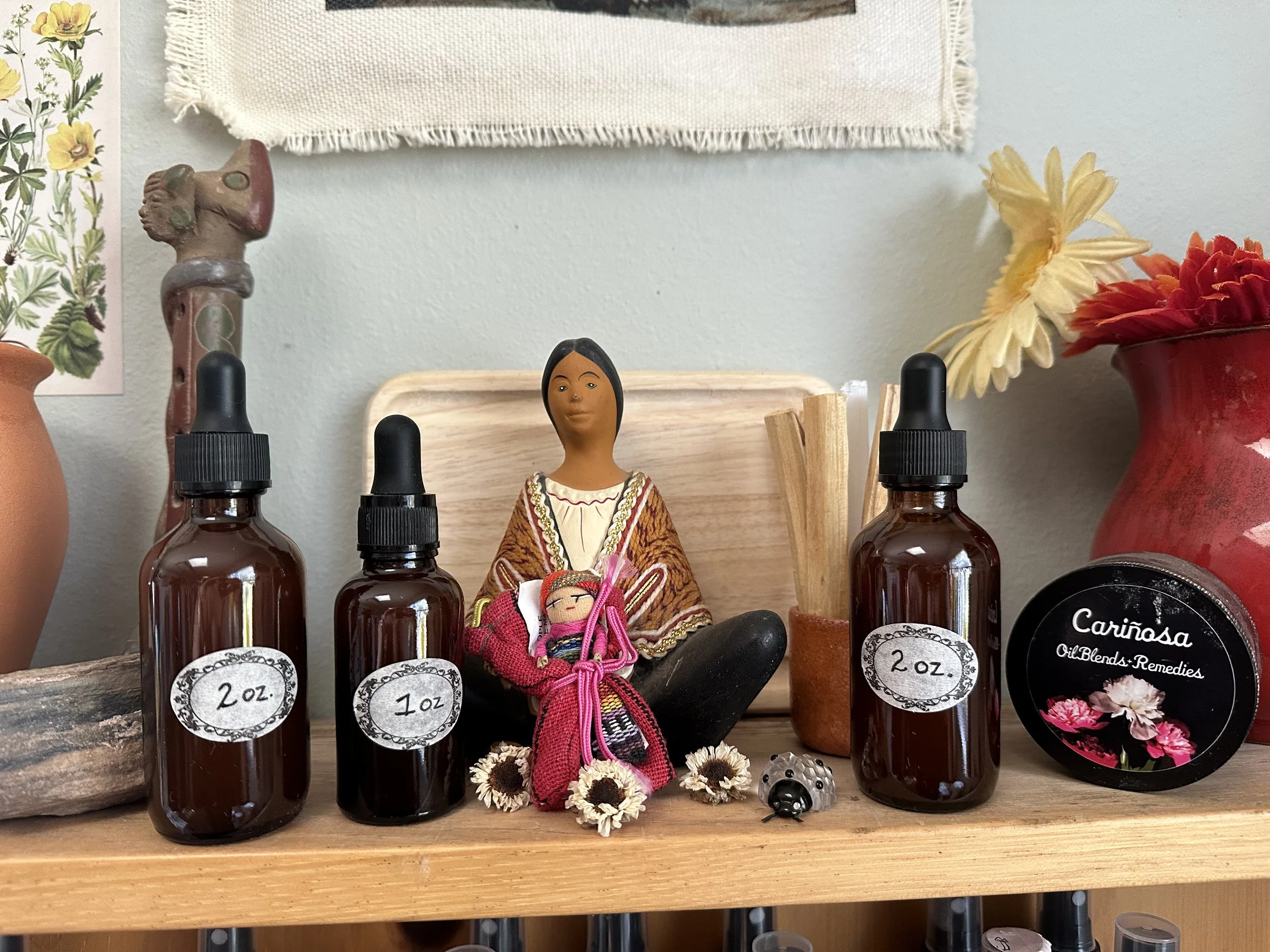
The rollercoasters that you’re tincture is here for:
🎢 Weaning from bodyfeeding/breastfeeding
🎢 Menstrual cycles
🎢 Perimenopause and menopause
🎢 Stressful moments, in general
How is this possible?
Your placenta has nutrients and hormones in it that can support you during hormonal shifts and the symptoms that come with those fluctuations. Think about your placenta tincture as emotional, hormonal, and immunological support that smoothes the edges of our physiologic reality of humans with wombs.
So, what is a tincture exactly?
A tincture is an herbal extract. Steeped in high proof alcohol for six weeks, the nutrients and medicinal benefits of the herb are infused into a highly concentrated extract. A few drops provide benefit.
A placenta tincture is a tincture made with a small piece of your placenta. The placenta itself is strained out after six weeks to produce a small dropper bottle with your liquid tincture. Your potent extract is ready to give you support when you require.
As we do with placenta encapsulations, we’ll walk you through the protocol for consumption, emphasizing that as you consume your placenta tincture to tune into your body and how the supplement effects you.
We love placentas and are happy to chat more with you about how you might want your placenta supporting you postpartum (for life!).
*To note: The effects and impact of human placentophagy are limited in scientific research. Much of what we know about placenta consumption comes from anecdotes and ancient practices.